Build the skill.
Structured lessons, reflection prompts, practice scenarios, and assignments participants can complete within the realities of custody.
JUVENILE RIGHTS / INTERNATIONAL YOUTH JUSTICE
Correctional education. Staff training. International youth justice.
We develop curricula for people in custody, equip the officers who work with them, and help institutions build education into everyday practice.
OUR PURPOSE / A SHARED RESPONSIBILITY
Different systems. Shared responsibility.
Every young person deserves a future.
Juvenile Rights brings education, credible mentorship, and practical youth justice expertise to partnerships with government agencies, civil society organizations, universities, and correctional institutions.
Founded by Dieter Cantu, Juvenile Rights works across juvenile detention, adult corrections, and community reentry. Our practice brings classroom instruction, secure-tablet learning, credible messenger engagement, and staff development into the same conversation.
Meet our founder ↗CAPABILITIES / CONTRACTS & COLLABORATION
Commission a resident curriculum, a staff training, or a correctional education project with defined lessons, practical exercises, and delivery support.
Curriculum development and facilitation for custodial and community settings, with practical learning in communication, emotional regulation, and preparation for reentry.
Explore the programs ↗02 / WORKFORCE DEVELOPMENTEquip staff and credible messengers with coaching approaches, relationship skills, and tools for working with young people without escalation.
Discuss a training engagement ↗03 / SYSTEMS & STRATEGYSupport program design, policy conversations, and community partnerships with perspectives informed by direct practice and lived experience.
Explore a partnership ↗CORRECTIONAL EDUCATION / YOUTH & ADULT SETTINGS
Education with something to practice, produce, and carry forward.
Juvenile Rights develops learning experiences for people in prisons, jails, juvenile facilities, and reentry programs. Instruction connects literacy and critical thinking with communication, emotional regulation, project planning, and preparation for life after custody.
Facilities can commission a facilitated course, a resident workbook, staff training, or a curriculum adapted for secure tablets. Delivery is scoped to reading levels, available technology, schedules, and institutional requirements.
Discuss education for your facility ↗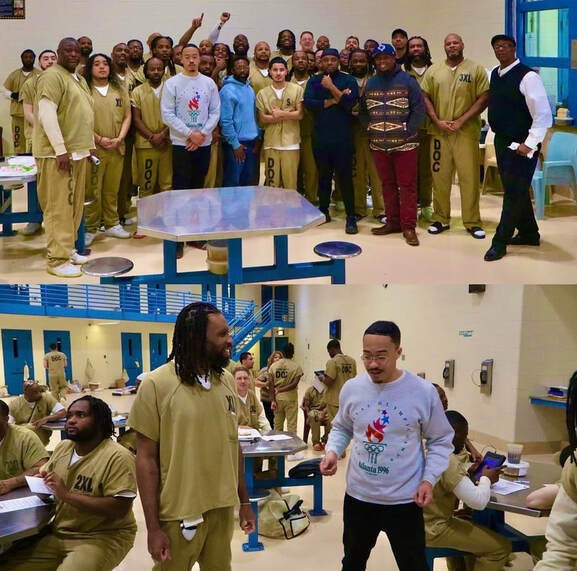
Structured lessons, reflection prompts, practice scenarios, and assignments participants can complete within the realities of custody.
Support officers and educators with discussion guides, coaching approaches, and ways to give useful feedback while maintaining professional boundaries.
Align curriculum, classroom routines, tablet learning, and reentry connections around a facility’s educational priorities.
SIGNATURE CURRICULUM / GRANT WRITING 101
Grant-writing curriculum available through secure tablets in more than 1,500 correctional facilities.
A grant proposal asks people to identify a problem, examine evidence, design a response, account for resources, and explain what success would look like. Those are skills in research, reasoning, collaboration, and leadership. Our grant-writing approach makes them accessible inside correctional settings.
These tracks can be scoped as individual workshops or combined into a longer course. Extended projects and facilitator materials are developed to match the engagement; tablet availability of a specific track is confirmed during planning.
Participants begin with a problem they understand: interrupted education, transportation after release, family connection, or access to work. They separate personal observation from evidence and identify whose perspective is missing.
Participant outputA needs statement, stakeholder map, and evidence worksheet.
Build a proposal section by section: problem, target population, activities, objectives, organizational capacity, and sustainability. Peer review helps participants replace broad promises with specific commitments.
Participant outputA complete practice proposal with a revision checklist.
Translate an idea into staffing, supplies, participant costs, and delivery expenses. Compare a small pilot with a larger program and explain each cost in plain language.
Participant outputAn itemized budget and matching budget narrative.
Use an approved packet of funding guidelines, community data, and sample proposals. Learn to identify eligibility, extract requirements, cite sources, and recognize missing information without unrestricted browsing.
Participant outputA funder-fit comparison and source log.
Participants rotate through applicant, reviewer, and community representative roles. They score sample proposals, question assumptions, and practice defending a funding decision respectfully.
Participant outputA scored review rubric, written feedback, and revised pitch.
Distinguish activities from results. Develop a simple logic model, choose realistic indicators, plan ethical data collection, and explain what a disappointing result would teach the team.
Participant outputAn evaluation plan and practice progress report.
Turn a reentry challenge into a practical community initiative. Identify partners, clarify who would administer funds, plan a realistic timeline, and think through continuation beyond an initial award.
Participant outputA project concept note and implementation timeline.
Bring the research, proposal, budget, and evaluation plan together. Participants present their case, respond to reviewer questions, and document the changes they made after feedback.
Participant outputA proposal portfolio and oral or written presentation.
FOR OFFICERS, EDUCATORS & PROGRAM LEADERS
Commission a facilitation package with session plans, participant worksheets, sample proposals, answer guidance, review rubrics, and a capstone assessment. Staff training can include a model lesson, practice facilitation, and feedback on handling discussion in a custodial classroom.
INTERNATIONAL EXCHANGE / A PERSPECTIVE THAT TRAVELS
Selected international speaking and exchange engagements by founder Dieter Cantu.
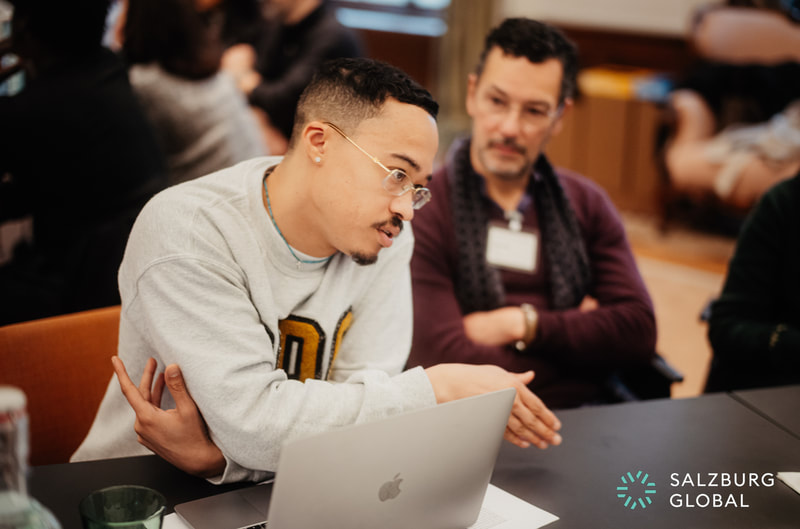
Salzburg Global Seminar: World Café facilitation and international justice dialogue.
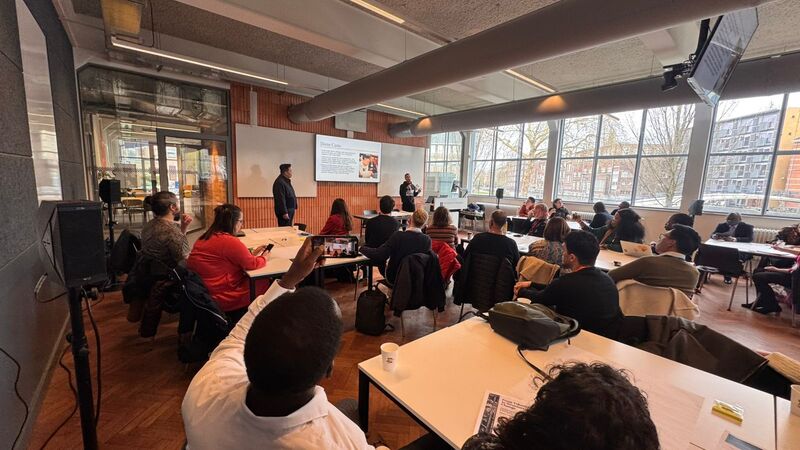
Penal Reform International: exchange on justice practice and reform across national contexts.
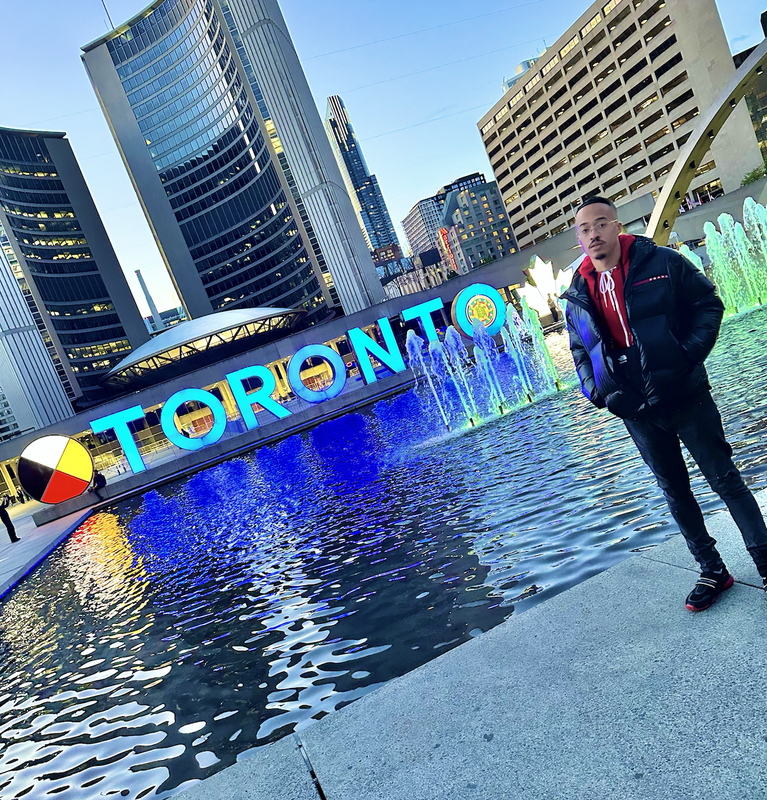
Roy McMurtry Youth Centre: direct engagement with young people in custody.
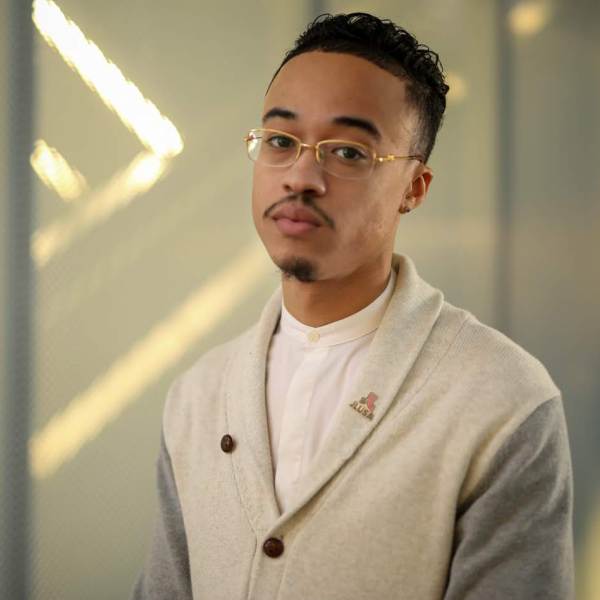 DIETER CANTU / FOUNDER
LIVED EXPERIENCE. APPLIED EXPERTISE.
Dieter Cantu is the Founder of Juvenile Rights, an educator, policy strategist, and international consultant. His experience in the juvenile justice and foster care systems informs a commitment to education, dignity, and opportunity.
His work connects teaching inside correctional facilities with speaking, facilitation, and international exchange. Engagements in Salzburg, Amsterdam, and Toronto bring that perspective into conversations across different justice systems.
Discuss an engagement ↗PROGRAM FOUNDATIONS / EDUCATION IN PRACTICE
Explore curriculum foundations that can inform a scoped engagement. Content, delivery, and any adaptation are agreed with each partner.
Make space for reflection, accountability, and a plan for moving forward. A curriculum for personal growth in correctional settings.
Discuss this program ↗A curriculum connecting reflection and accountability with community problem solving. Engagements can incorporate research, project design, and a written plan for contributing after release.
Discuss this program ↗A secure-tablet curriculum available in 1,500+ facilities, with options for proposal studios, research labs, budgeting workshops, and staff-led instruction. Participants develop a practice proposal and the reasoning behind it.
Discuss this program ↗Build tools for emotional regulation, communication, and decision making when the stakes feel high.
Discuss this program ↗TRAINING & WORKSHOP CATALOG
Select a focused workshop or commission a connected series. Audience, duration, supporting materials, and assessment are agreed in the scope of work.
Practice the difference between issuing a direction and coaching a person through a decision. Use structured conversations, clear expectations, and follow-up.
Work through difficult interactions using tone, boundaries, and response choices. Rehearse responses to resistance without turning every disagreement into a confrontation.
Use realistic scenarios to examine assumptions, weigh options, and explain a decision. Debrief the interaction and identify what to do differently next time.
Apply four steps: Approach, Connection, Playbook, and Success. Build a conversation plan that links rapport, expectations, action, and follow-through.
Recognize escalation cues, name the trigger, and practice a response before acting. Develop a personal plan for situations that repeatedly create conflict.
Practice listening, respectful disagreement, and repair after conflict through role-play and guided reflection.
Organize an idea, speak with purpose, and answer questions. Participants prepare a short presentation about a project, goal, or community need.
Explore pay statements, budgeting, basic tax concepts, and legitimate income planning through practical financial scenarios.
Practice job interviews, professional presentation, introductions, respectful communication, and accountability in everyday settings.
Examine how choices affect a group. Use separate, audience-specific scenarios to practice responsibility, follow-through, and repair.
SELECTED PROJECTS / WORK IN PRACTICE
Selected examples from Dieter Cantu’s correctional education and youth justice work.
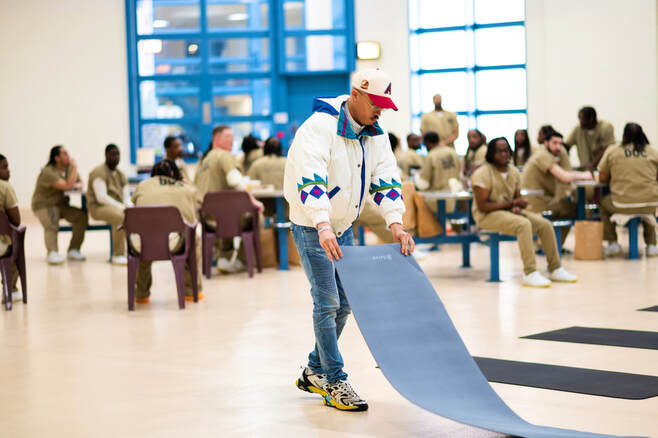
Teaching and programming experience includes Giddings State School, Carol Vance Unit, and Jester III. This direct work informs how lessons are paced, how participation is supported, and how learning activities fit within a facility’s daily routines.
View the correctional education portfolio ↗Dieter’s book-access initiative connects university and community support with young people in TJJD facilities. The work combines reading resources with mentorship and pen-pal connections.
A curriculum available on secure tablets across more than 1,500 facilities, bringing proposal development and community problem solving into correctional education.
Explore the curriculum ↗A December 2025 activation connecting justice-involved young people with mentorship, structured learning, and a professional sports community.
Read the Mavericks’ coverage ↗Engagements at Roy McMurtry Youth Centre in Canada and exchanges in Salzburg and Amsterdam connect work inside institutions with wider conversations about youth justice and penal reform.
See international engagements ↗We cannot continue expanding our capacity to incarcerate without equally expanding our capacity to prevent incarceration.
THE COMMITMENT / JUVENILE RIGHTSWORKING TOGETHER / FROM INQUIRY TO ENGAGEMENT
Whether you are commissioning a project, developing a joint initiative, or convening an international exchange, start with a conversation about your priorities.
Discuss your scope of work ↗Share your country, institutional setting, population, and the challenge you want to address.
Agree the scope, delivery format, timeline, responsibilities, and intended outcomes. Identify any local adaptation or language support needed.
Align the work with your team’s procurement requirements, local expertise, and approach to reviewing progress.
CONTRACTS / PARTNERSHIPS / INTERNATIONAL INQUIRIES
Tell us where you work, who you serve, and what you want to achieve. Share a brief scope or procurement reference if you have one.
dietercantu@gmail.com ↗BASED IN THE UNITED STATES
Open to international contracts and partnerships.